

Zero-Cost Solar Plant Management
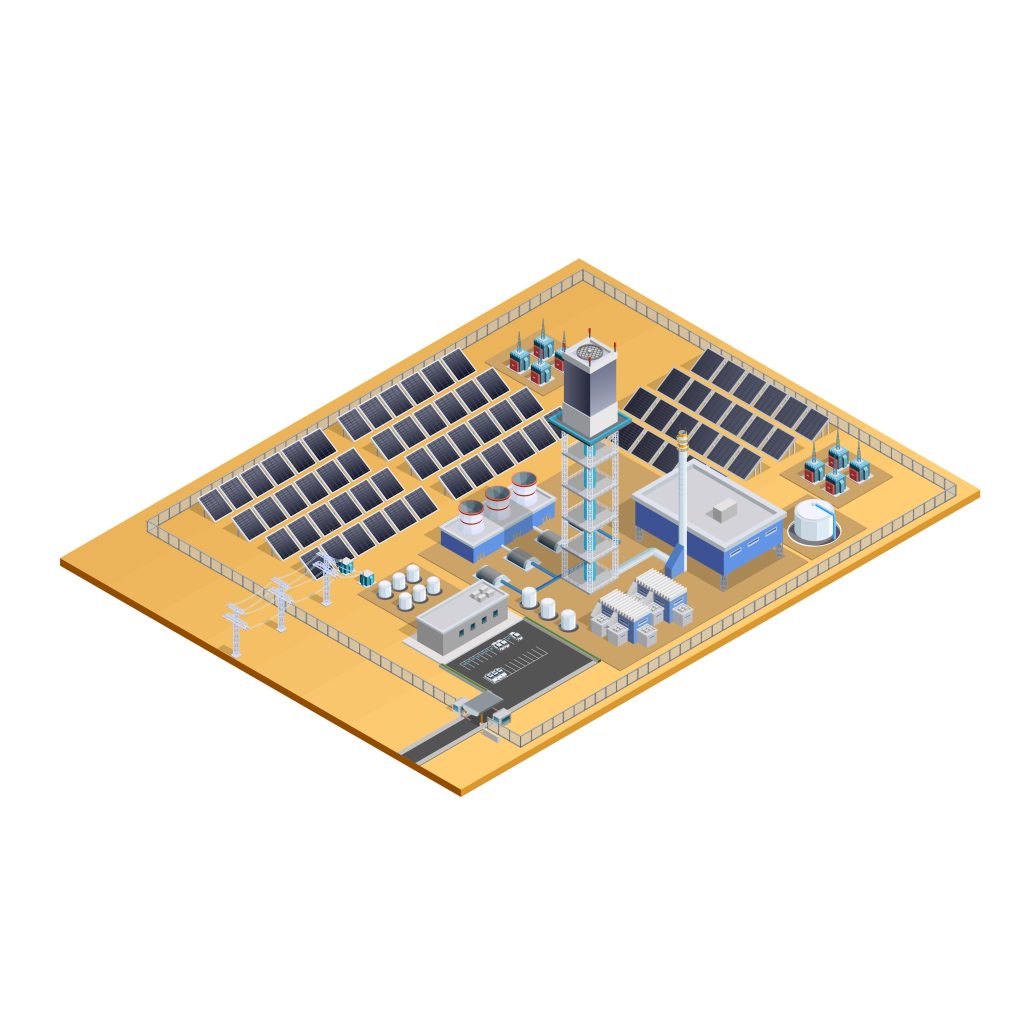
Solar power plants (SPPs) require continuous monitoring, maintenance, and optimization to operate efficiently and without interruption. In this regard, a traditional management structure is generally in place, and it is preferable to have personnel physically present on site. However, thanks to advances in artificial intelligence, automation systems, and remote control technologies, SPPs can now be managed without the need for personnel to be physically present on site. While this method may consume a portion of the energy produced in some cases, it is still reasonable as it reduces operational costs and increases fault detection speed.
Remote Monitoring and Control Systems
SCADA systems enable real-time monitoring of the solar power plant’s production data. Production values can be viewed at the panel, inverter, and transformer levels, providing the user with system performance data while also allowing remote on/off commands to be issued. Solar power plants included in the aggregation agreement must have the ability to be remotely turned on and off, and it is important that they have an infrastructure with SCADA integration. In solar power plants without a remote control infrastructure, physical operations will be required, which could result in personnel costs.
Artificial Intelligence-Supported Fault Prediction
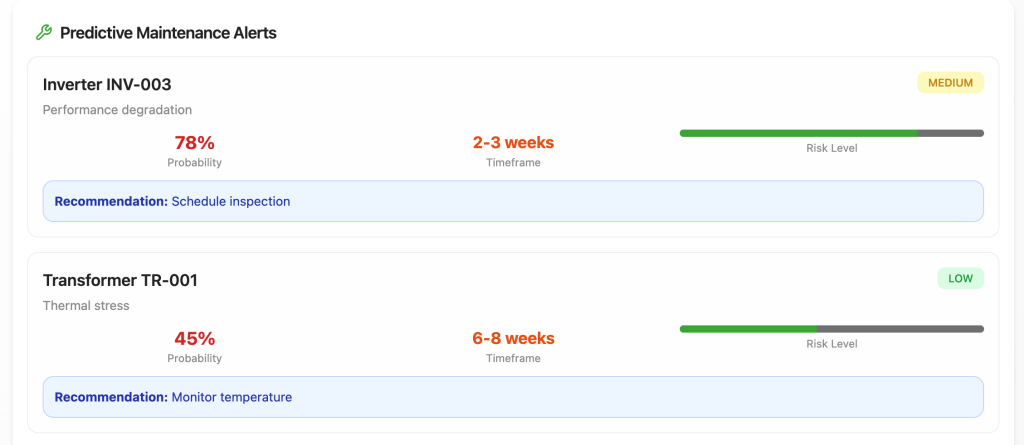
Artificial intelligence-based software analyzes production data to predict potential faults in advance. It facilitates early fault detection, preventing production drops of up to 60%. The field team is only directed when necessary, eliminating unnecessary field visits.
Artificial Intelligence-Supported Fault Prediction
Artificial intelligence-based software analyzes production data to predict potential faults in advance. This facilitates early fault detection, preventing production drops of up to 60%. Field teams are only dispatched when necessary, eliminating unnecessary field visits.
Visual Inspection with Drones and Cameras
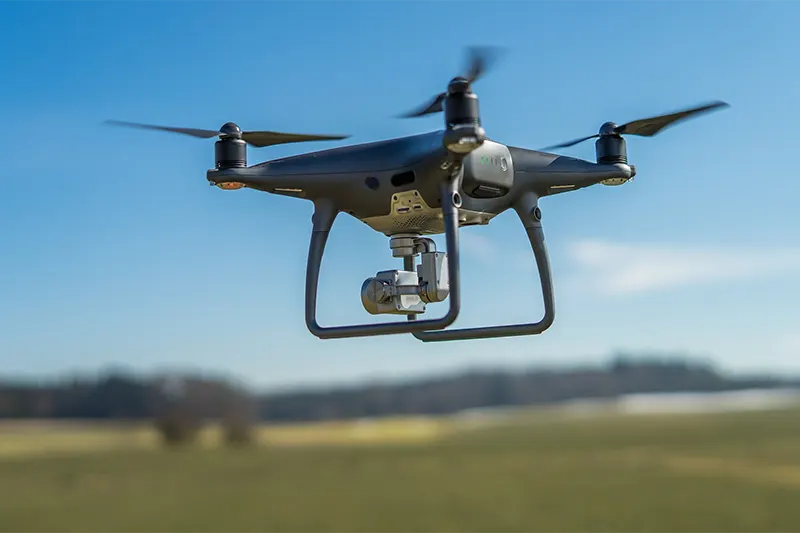
Drones and cameras equipped with thermal cameras and high-resolution imaging hardware detect problems such as breaks, cracks, or contamination by generating temperature maps of the panels. They also provide general field control, enabling the detection of animals in the area that could damage general equipment. This method is much faster and more efficient than human labor, especially in large fields. In facilities with a production capacity of approximately 10 MW or more, the use of drones may be preferred over camera systems due to the cost of installation.
Automatic Cleaning Systems
Dust and dirt accumulated on the surface of the panels can reduce production by up to 50%. Automatic brush or water spray systems minimize production losses by performing scheduled cleaning. Additionally, newly developed systems can provide more durable and high-performance solutions. Solar panels may be excluded from warranty coverage due to dust and dirt. In this context, the $2,000 cost of panel cleaning can be seen as an investment and can play an important role in preventing unwanted situations.
Security and Environmental Sensors
Motion detectors, camera systems, and environmental sensors remotely report emergencies such as unauthorized entry or fire. This minimizes the need for security personnel. At the same time, sirens and sound systems are used to prevent unauthorized visitors from entering the area. For example, in a solar power plant, high-powered speakers, sensors, and camera systems can detect thieves arriving at night and intervene remotely without having to go to the site.
